Top 10 European Infrastructure Megaprojects Transforming the Continent
Europe is in the middle of a generational build. From the depths of Alpine rock to the shallow waters of the North Sea, a wave of infrastructure investment is physically rewiring how the continent moves, connects, and powers itself. These are not incremental upgrades — they are projects measured in decades, billions, and borders crossed.
This overview covers ten of the most significant European infrastructure megaprojects currently underway or recently completed, spanning rail, energy, roads, and urban transit. The selection is representative, not exhaustive, and deliberately draws from both Western and Central-Eastern Europe to reflect where investment is actually flowing.
What Makes a Project a "Megaproject"?
A megaproject is typically defined by three thresholds: a capital cost exceeding €1 billion, a construction timeline spanning multiple years or decades, and a cross-border or nationally transformative scope. Scale alone is not enough — strategic impact on connectivity, economic integration, or energy security is what separates a megaproject from a large contract.
The projects featured here share a common thread: most are anchored in the Trans-European Transport Network (TEN-T) framework or the EU's energy policy agenda, meaning they carry political backing, multi-country coordination requirements, and access to EU Cohesion Funds or the Connecting Europe Facility (CEF). That institutional context shapes not just how they're funded, but why they get built at all.
Rail Megaprojects Reshaping European Connectivity
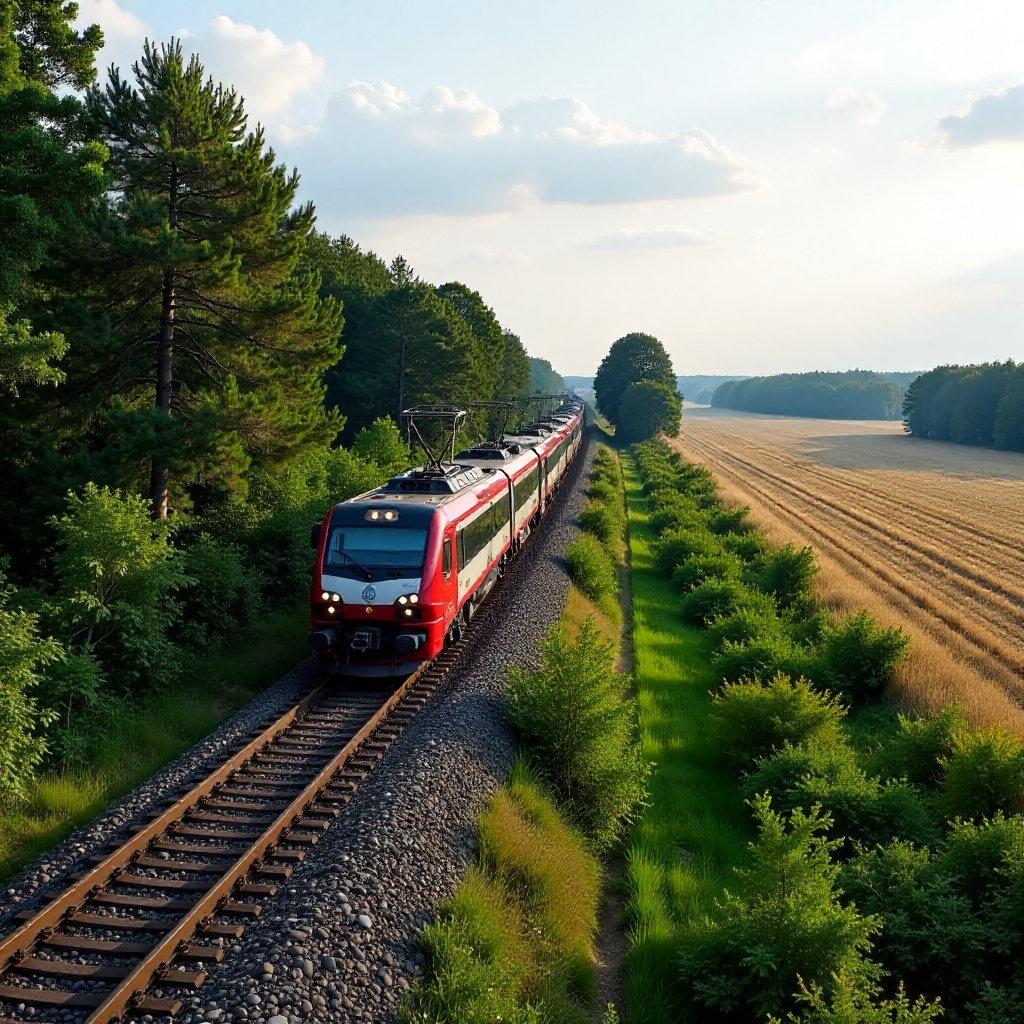
Rail is currently the dominant mode for European infrastructure megaprojects, driven by EU climate targets and the ambition to shift freight and passengers off roads and away from short-haul aviation. Several TEN-T core network corridors are seeing simultaneous, multi-billion-euro investment.
The Stuttgart–Munich–Vienna high-speed corridor improvements — part of the Rhine-Danube corridor — are gradually cutting journey times between Germany and Austria while increasing freight capacity. In Spain, the continued extension of high-speed AVE lines into underserved regions represents one of Europe's largest ongoing rail programmes by total spend.
Poland's Central Communication Port (CPK) project includes a new hub airport east of Warsaw alongside a 1,800 km spoke network of new rail lines, with the rail component alone potentially reaching €30 billion. This is one of Central Europe's most ambitious transport infrastructure bets, connecting dozens of Polish cities to a new national hub.
Further south, the Rail Baltica project links Helsinki (via ferry) through Tallinn, Riga, Vilnius, and Warsaw in a single standard-gauge corridor — ending the Soviet-era broad-gauge isolation of the Baltic states and integrating them fully into the European rail network for the first time.
Cross-Border Tunnels and Fixed Links
Fixed links and long-base tunnels remove the hardest bottlenecks in European connectivity — mountain ranges, sea crossings, and national network gaps that have persisted for over a century.
The Lyon-Turin Base Tunnel is the centrepiece of the Mediterranean TEN-T corridor. Running 57.5 km through the Alps between France and Italy, it is one of the longest railway tunnels ever constructed. When complete, it will cut the Lyon-Turin rail journey from roughly four hours to under two, and dramatically shift Alpine freight from road to rail. Construction is well advanced on the Italian side; the project has faced delays and cost revisions but remains a flagship EU priority.
The Fehmarnbelt Fixed Link connects Denmark and Germany beneath the Baltic Sea in an 18 km immersed-tube tunnel — the longest of its type in the world. It will reduce the Copenhagen-Hamburg journey by around an hour and open a direct, fixed road and rail connection where only a ferry existed before. The Danish side has been under active construction since 2020; German approval processes delayed the start on their side, a reminder that regulatory timelines can rival engineering ones.
Both projects illustrate a recurring pattern in European megaprojects: the engineering is rarely the hardest part. Cross-border governance, environmental permitting, and shifting political priorities consistently extend timelines beyond initial estimates.
Energy Infrastructure — Interconnectors, Offshore Wind, and Hydrogen
Energy megaprojects are the fastest-growing segment of European infrastructure investment, accelerated by the 2022 energy security crisis and long-term decarbonisation commitments. Three distinct infrastructure types are scaling simultaneously.
Power interconnectors — subsea cables linking national grids — are expanding rapidly across the North Sea and between Iberia and France. The ElecLink interconnector between the UK and France (via the Channel Tunnel) and the planned Celtic Interconnector between Ireland and France represent the kind of cross-border energy infrastructure the EU's internal energy market depends on.
Offshore wind grid integration is arguably the continent's largest emerging infrastructure challenge. The North Sea is being redeveloped as a shared energy zone, with hub-and-spoke grid designs replacing the current point-to-point cable model. Projects like the Danish-German-Dutch meshed grid proposals require coordinated investment across multiple TSOs and governments — infrastructure complexity on a par with the largest rail tunnels.
Hydrogen pipeline corridors are still early-stage, but the European Hydrogen Backbone initiative — a consortium of 33 European gas infrastructure operators — has mapped out a 53,000 km network by 2040. Several repurposed natural gas pipelines in Germany, the Netherlands, and Spain are already in conversion studies. This is infrastructure being planned now for an energy carrier that barely exists at commercial scale.
Road and Smart Mobility Upgrades
Large-scale road investment has not disappeared from Europe's megaproject pipeline, but its character has changed. Pure capacity expansion is increasingly combined with digital infrastructure and EV charging corridor requirements under the EU's Alternative Fuels Infrastructure Regulation (AFIR).
Romania's Sibiu-Pitești motorway — part of the Rhine-Danube TEN-T corridor — has been under development for years and will connect Transylvania to the existing motorway network, closing one of the most significant missing links in Central European road connectivity. Similar gap-closing motorway projects are underway in Slovenia, North Macedonia, and Serbia, often co-funded through EU pre-accession instruments.
Germany's smart motorway digitisation programme is embedding roadside sensor networks, dynamic speed management, and connected vehicle infrastructure across thousands of kilometres of Autobahn. This is less visible than a tunnel but represents a different kind of transformation: making existing infrastructure smarter rather than building new.
Urban and Port Megaprojects
Urban transit and port expansion round out the picture of where European infrastructure capital is going. Cities are investing heavily in metro extensions and tram network buildouts, often tied to EU Cohesion Fund cycles.
Warsaw's metro Line 2 extension, Bucharest's ongoing metro expansion, and Athens' metro extensions to the airport and port of Piraeus are among the most significant urban rail investments in Central and Southern Europe. These projects serve different purposes from cross-border corridors — they reduce urban car dependency and connect peripheral populations to city centres — but at €1-3 billion per project, they qualify by any megaproject definition.
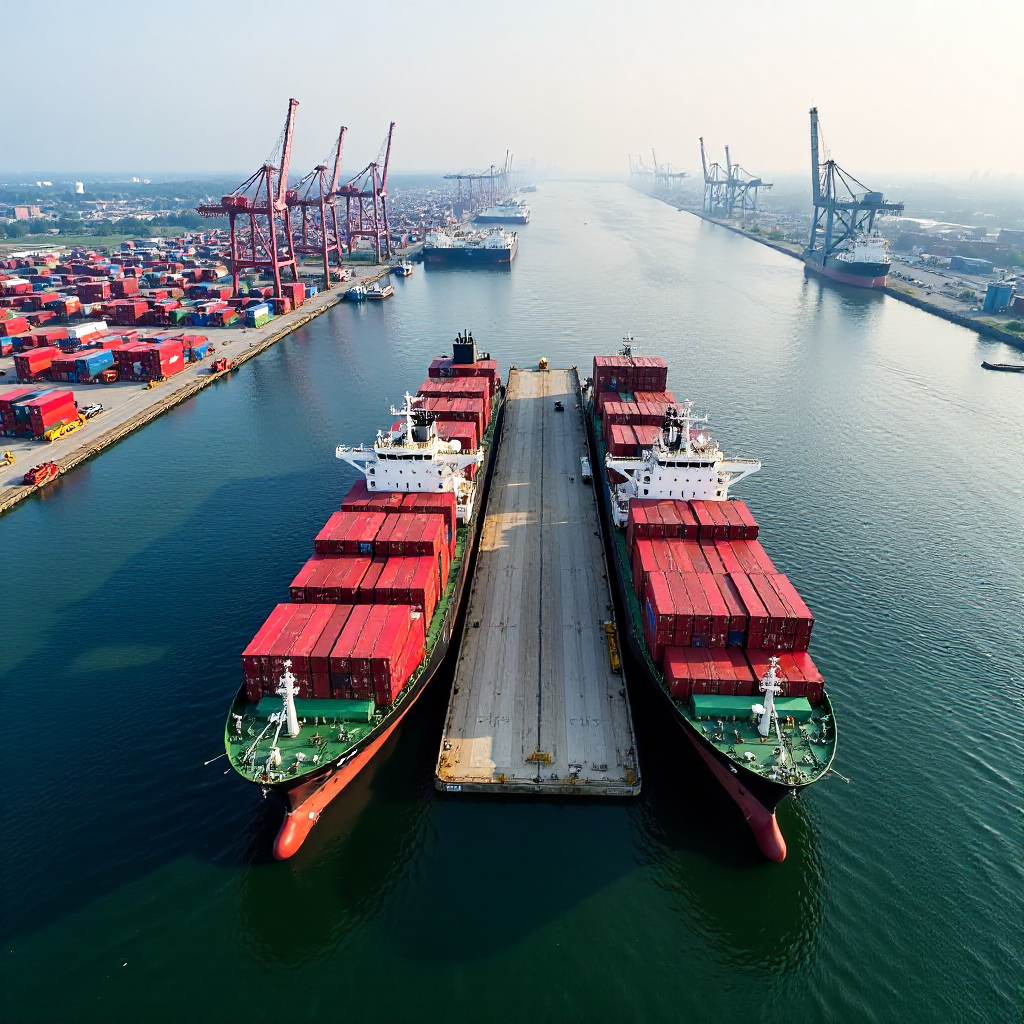
The Port of Rotterdam's Maasvlakte 2 expansion, though substantially complete, continues to serve as the template for European port megaprojects: a fully artificial harbour extension built on reclaimed land, capable of handling the largest container vessels afloat. Antwerp's Saeftinghe dock development follows a similar logic. Both ports anchor the Rhine-Scheldt corridor and serve as gateway infrastructure for continental freight flows.
What These Projects Mean for Europe's Future
Taken together, these megaprojects tell a coherent story about where Europe is placing its infrastructure bets. Rail and energy dominate current investment, road is being selectively upgraded rather than massively expanded, and urban transit is absorbing significant Cohesion Fund allocations in Central and Eastern Europe — which helps explain why the geographic focus has shifted eastward over the past decade.
The TEN-T framework and EU funding mechanisms are not just sources of money — they are coordination tools that make cross-border projects politically viable. Without the European Commission as a convening institution, projects like Rail Baltica or the Lyon-Turin tunnel would face near-insurmountable bilateral negotiation hurdles. The funding also comes with strings: environmental standards, procurement rules, and completion milestones that shape how projects are designed and delivered.
What these projects will not do is solve Europe's infrastructure challenges on their own. Many are decades in the making, and several will face further delays, cost overruns, and revised scopes before they open. The Fehmarnbelt tunnel, Rail Baltica, and Lyon-Turin have all experienced exactly that. Megaprojects are by nature complex, slow, and politically exposed. The question is rarely whether to build — it's whether the institutions and financing can hold together long enough to finish.
Frequently Asked Questions
What is the most expensive infrastructure project currently under construction in Europe?
By total estimated cost, Poland's CPK rail and airport programme and the Lyon-Turin Base Tunnel are among the most expensive single projects, with costs in the tens of billions of euros. Rail Baltica, spread across five countries, has a combined network cost that rivals both. Precise rankings shift as cost revisions are issued, so any single answer ages quickly.
How are European megaprojects typically funded?
Most large-scale projects draw on a mix of EU Cohesion Funds, the Connecting Europe Facility (CEF), European Investment Bank loans, and national budget contributions. Private finance plays a role in some toll road and port projects, but for cross-border rail and energy infrastructure, public funding dominates. The EU's share can range from 20% to over 85% depending on the region and project type.
Which European countries are investing the most in infrastructure?
Germany, France, Spain, and Poland lead by absolute spend. Poland is particularly notable because its investment is heavily EU co-funded and concentrated in a relatively short window, making it one of the most active construction markets in Europe. The Baltic states, Romania, and Czechia are also seeing disproportionately high infrastructure investment relative to GDP, driven by TEN-T gap-closing requirements.
How does the TEN-T network influence which projects get built?
TEN-T designation means a project sits on a priority corridor identified by the European Commission. That status unlocks higher CEF grant rates, creates legal obligations for member states to meet completion deadlines, and signals to investors that the project has EU-level political backing. Projects outside TEN-T corridors can still get built, but they compete harder for national funding and lack the cross-border coordination mechanism that TEN-T provides. More detail on the framework is available via the European Commission's TEN-T pages.
What is the expected completion timeline for major European rail tunnels?
The Fehmarnbelt Fixed Link is targeted for opening in the early 2030s, with the German land-side connections potentially following a few years later. The Lyon-Turin Base Tunnel's main bore is expected to be complete by around 2032, though final commissioning and access tunnel work could extend beyond that. Timelines for projects of this scale should always be treated as working estimates rather than fixed dates.