Ports and Logistics Hubs: How Europe Is Modernizing Its Maritime Infrastructure
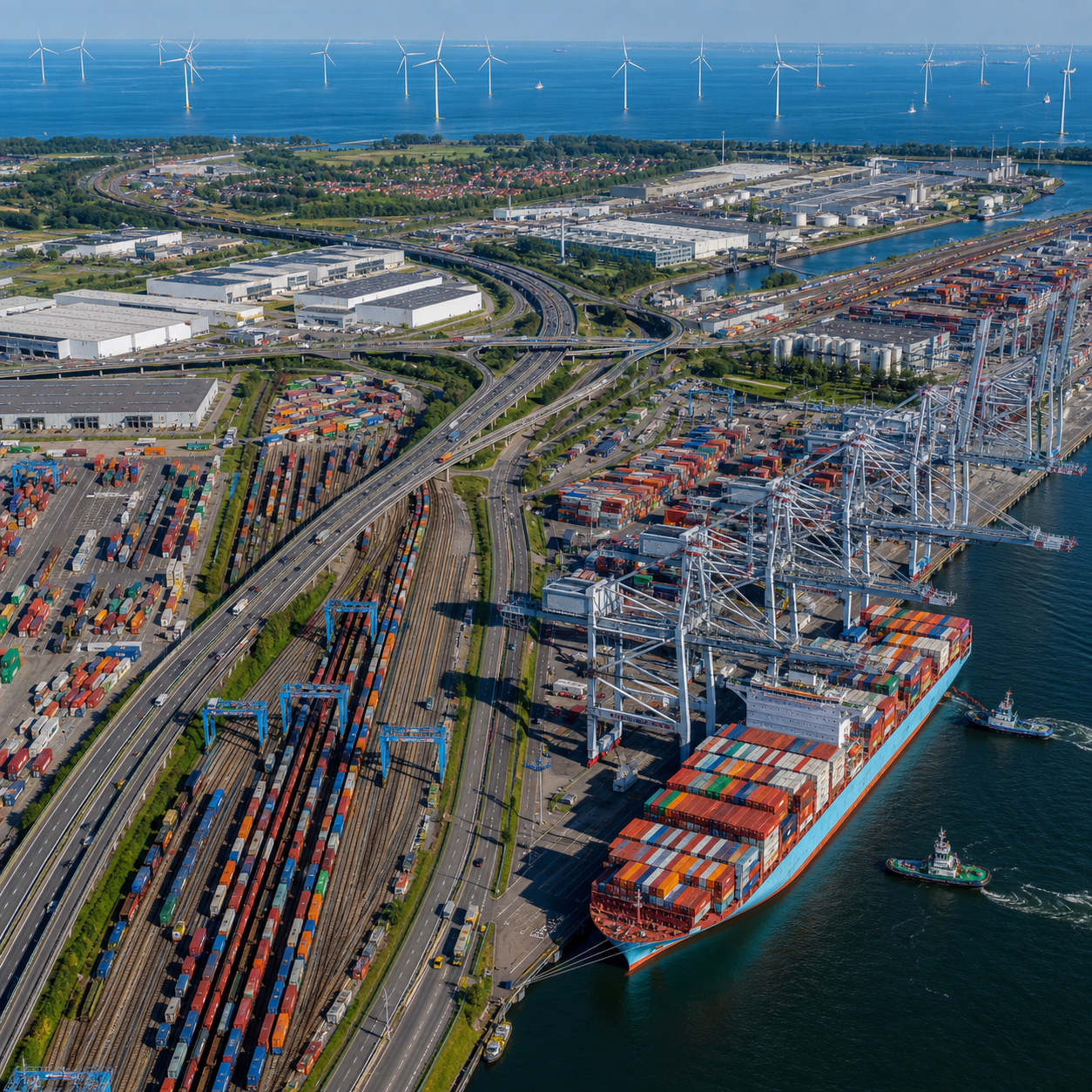
European ports are entering a major modernization cycle. New quay capacity still matters, but the wider priority is integration: connecting maritime terminals with rail, roads, inland waterways, energy systems, data platforms, and industrial regions. The result is a shift from isolated harbours toward connected logistics hubs designed to move goods efficiently while reducing emissions and absorbing supply-chain disruption.
Why European Ports Are Entering a New Modernization Cycle
European ports are being modernized because trade resilience, industrial competitiveness, energy security, and climate policy now depend on reliable maritime infrastructure. Ports handle a substantial share of Europe’s external trade and provide gateways for containerized goods, bulk commodities, vehicles, food, energy products, and industrial components.
Several pressures are arriving at once. Disruptions in shipping routes, changing energy markets, larger vessels, regional manufacturing strategies, and the growth of offshore renewable energy all require ports to operate with more flexibility. A terminal designed only for high-volume container handling may struggle when it must also support new fuels, project cargo, short-sea shipping, or emergency supply routes.
The modernization cycle therefore concerns the entire port ecosystem. European ports need deeper coordination with customs authorities, freight operators, municipalities, energy providers, manufacturers, and inland distribution centres. The European Commission’s Trans-European Transport Network framework reflects this broader approach by linking maritime infrastructure with rail, road, inland waterways, and urban logistics.
Capacity remains important, but capacity without connections can create bottlenecks. A new berth adds limited value if containers then wait for a train path, face road congestion, or lack nearby storage. Modernization is increasingly judged through five tests: capacity, connectivity, sustainability, adaptability, and delivery feasibility.
The Main Components of Modern Maritime Infrastructure
Modern maritime infrastructure combines port structures, terminal equipment, storage, energy facilities, and efficient inland connections. Physical expansion is only one part of the investment case; the surrounding logistics system determines how much usable capacity a project creates.
Core construction may include quay extensions, dredging, breakwaters, strengthened pavements, navigation systems, and upgraded berthing areas. Terminals also require ship-to-shore cranes, automated stacking cranes, reach stackers, conveyors, pipelines, vehicle-processing systems, and safety equipment suited to specific cargo types.
Behind the quay, storage design has become more strategic. Container yards need enough space for temporary surges, customs inspection, empty equipment, and refrigerated cargo. Warehouses and distribution centres increasingly support postponement activities such as labelling, packaging, light assembly, and returns management. This allows goods to move closer to final markets without requiring every product decision to be made at the factory.
- Marine access: channels, berths, breakwaters, navigation aids, and dredging systems.
- Terminal operations: cranes, loading equipment, yard management, gates, and inspection areas.
- Energy infrastructure: substations, charging systems, fuel bunkering, and renewable power connections.
- Logistics facilities: warehouses, cold stores, customs zones, consolidation centres, and repair areas.
- Inland links: rail terminals, road interfaces, barge connections, and last-mile distribution routes.
The difficult design question is scale. Building oversized facilities can tie up capital and consume land, while undersized infrastructure recreates congestion within a few years. Flexible layouts, modular equipment, and reservable land for future energy or cargo requirements can reduce that risk.
Digitalization and Automation Across European Ports
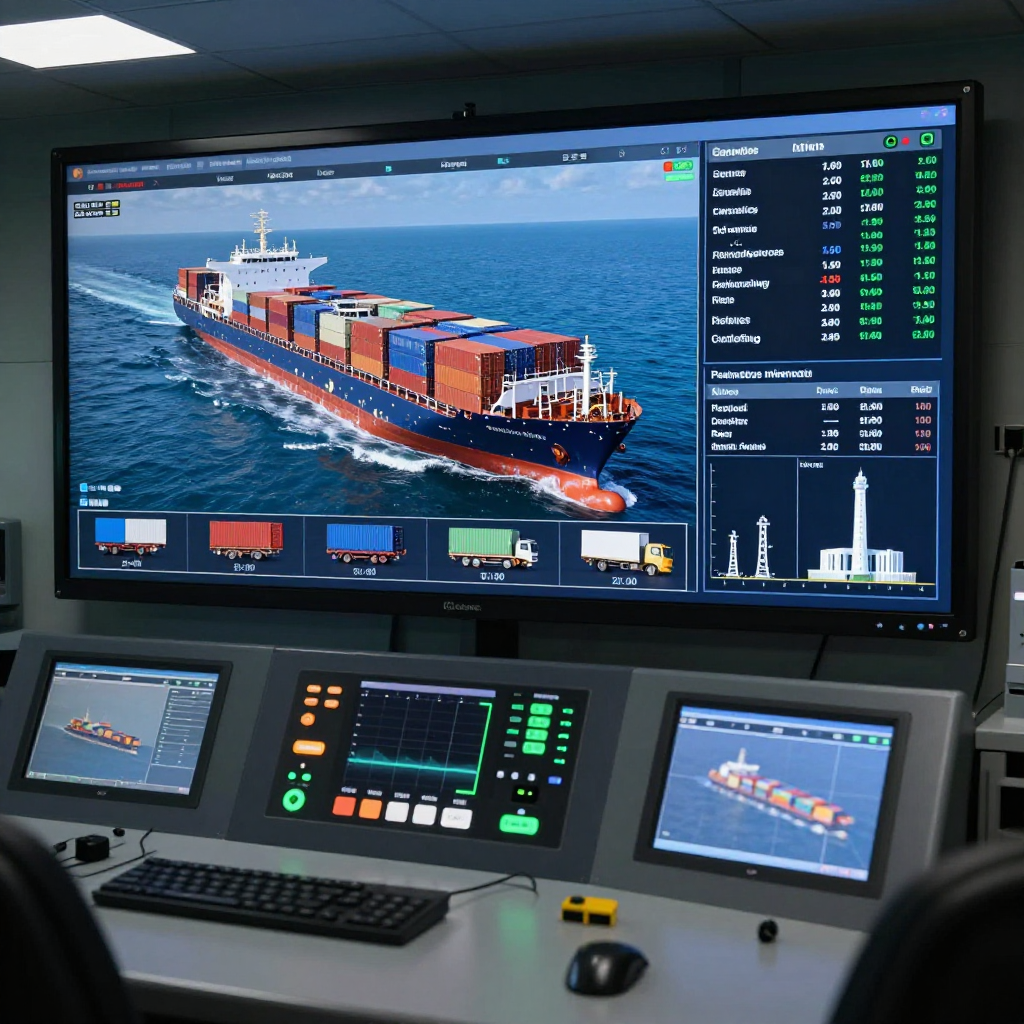
Port digitalization connects cargo owners, shipping lines, terminals, customs, rail operators, truckers, and authorities through shared data and automated workflows. The aim is to improve visibility and predictability before investing in additional physical capacity.
A port community system is a digital platform that allows authorized participants to exchange information about vessel calls, cargo declarations, inspections, gate appointments, and transport movements. It can reduce duplicated paperwork and help agencies identify problems earlier. Data quality matters, however. A platform cannot produce reliable decisions when companies use incompatible formats or submit information late.
Automation is expanding across gates, container yards, cranes, and traffic management. Optical recognition can identify containers and vehicles; appointment systems can spread truck arrivals; automated equipment can perform repetitive yard movements; and predictive tools can estimate berth availability or equipment maintenance needs.
These technologies work best when combined with operational discipline. A port may install automated gates yet retain congestion if appointment rules are weak. Likewise, real-time cargo tracking has limited value if rail schedules, customs releases, and terminal availability are not visible in the same planning process.
Smart ports also face cybersecurity, privacy, and workforce challenges. Connected cranes and operational technology create new attack surfaces. Staff roles may change from manual handling toward supervision, maintenance, data analysis, and exception management. Modernization plans should include training and fallback procedures, not just software procurement.
Connecting Ports to Europe’s Multimodal Transport Network
Multimodal transport links ships with rail freight, roads, inland waterways, and logistics zones so cargo can continue its journey without unnecessary handling or delay. Port efficiency depends heavily on the performance of these inland interfaces.
Rail is especially important for long-distance freight and for ports serving congested metropolitan areas. Modernization may require new sidings, longer reception tracks, electrification, signalling upgrades, grade-separated crossings, and better coordination between terminal operators and rail infrastructure managers. A rail terminal that cannot accommodate longer or more frequent trains may become a constraint even when the quay has spare capacity.
Road access remains essential because trucks provide flexible first- and last-mile service. The priority is not simply adding lanes. Intelligent gate systems, dedicated freight routes, safe staging areas, and coordinated delivery windows can prevent queues from spilling into nearby communities.
Inland waterways offer another option for ports connected to navigable rivers and canals. Barges can move containers, aggregates, agricultural goods, and project cargo while reducing pressure on road corridors. Their use depends on reliable water levels, suitable terminals, regular schedules, and efficient cargo transfer.
A useful planning framework is the three-interface test: can cargo leave the vessel, cross the terminal, and enter the inland network at a predictable cost and time? If any interface fails, the logistics hub underperforms. This is why European infrastructure projects increasingly evaluate port expansion alongside regional rail plans, urban freight policy, and industrial land availability.
Decarbonizing Ports and Shipping Operations
Ports can reduce emissions by electrifying equipment, supplying shore-side electricity, integrating renewable power, improving efficiency, and creating green shipping corridors. Decarbonization must cover both vessels at berth and cargo movement across the terminal and inland network.
Shore-side electricity, sometimes called cold ironing, allows a vessel to connect to the local electricity grid while docked instead of running auxiliary engines. This can reduce local air pollution and noise, particularly in ports near dense urban areas. Its climate benefit depends on the electricity mix, grid capacity, connection standards, and the number of vessels able to use the system.
Terminals are also replacing diesel equipment with electric or hybrid alternatives. Electric cranes, terminal tractors, automated vehicles, charging stations, and battery systems can lower direct emissions. Yet electrification raises peak-power requirements and may require new substations, energy-management software, and backup arrangements.
Alternative fuels will remain part of the transition for vessels and heavy equipment. Ports may need safe facilities for fuels such as green methanol, ammonia, hydrogen derivatives, or advanced biofuels. Each option carries different requirements for storage, handling, fire protection, training, supply availability, and lifecycle emissions.
Green shipping corridors focus on coordinated routes where vessels, ports, fuel suppliers, cargo owners, and regulators align around lower-emission operations. They are promising, but their success depends on demand and standards. Installing expensive infrastructure before fuel supply and vessel uptake are credible can leave assets underused.
Funding, Governance, and Delivery Challenges
Port modernization requires coordinated public and private investment, clear permitting, available land, skilled workers, and credible environmental safeguards. The hardest part is often aligning decisions made by different owners and jurisdictions.
Public funding can support strategic rail links, dredging, breakwaters, environmental mitigation, and energy infrastructure that private operators may not finance alone. Private capital commonly supports terminals, warehouses, cranes, digital systems, and equipment. European programmes such as the Connecting Europe Facility can help projects with cross-border value, but funding does not remove the need for a robust business case.
Permitting is a frequent source of delay. Projects may require environmental impact assessments, water permissions, habitat protection, construction approvals, grid connections, and consultation with affected communities. Expanding a port can protect supply chains while also disturbing coastal ecosystems, increasing traffic, or competing with housing and recreation. Early environmental design is usually more effective than treating mitigation as a late-stage obstacle.
Land constraints are equally significant. Ports often sit beside established cities, industrial sites, wetlands, or densely used transport corridors. Vertical warehousing, better yard planning, inland dry ports, and digital coordination can sometimes create more usable capacity without extending the waterfront.
Common delivery mistakes
- Building the quay first: This happens because visible construction is easier to fund than coordination. The result can be underused berths and inland congestion. Test rail, road, storage, and energy capacity before approving expansion.
- Treating digitalization as a software purchase: A platform cannot fix fragmented processes or poor data standards. Define ownership, permissions, operating rules, and cybersecurity requirements before selecting technology.
- Planning decarbonization asset by asset: An electric crane, shore connection, or fuel terminal may fail to deliver value without grid capacity and user demand. Build an integrated energy roadmap with staged investment.
- Underestimating workforce transition: Automation changes skills and responsibilities. Include training, maintenance capability, and social dialogue in the project schedule rather than adding them after commissioning.
What the Next Generation of European Logistics Hubs May Look Like
The next generation of European logistics hubs will be connected, low-emission, data-enabled, automated where practical, and flexible enough to handle changing cargo and energy needs. They will function as regional platforms rather than isolated transfer points.
Physical infrastructure will remain essential, but its value will be measured by system performance. A resilient hub may combine a container terminal, rail freight yard, inland waterway berth, renewable electricity, battery storage, customs facilities, cold-chain warehouses, and nearby industrial users. Digital twins and live operational data could help managers test berth plans, traffic flows, energy demand, and disruption scenarios before making costly changes.
Flexibility will become a defining feature. Terminals may reserve adaptable space for new fuels, offshore wind components, emergency cargo, or different container flows. Multiple inland routes can provide alternatives when a rail line, bridge, canal, or border crossing is disrupted.
There is no single European port model. A major North Sea gateway, a Mediterranean container terminal, a Baltic energy port, and a river-connected inland hub face different markets and environmental conditions. The strongest projects will therefore apply a common logic rather than identical designs: improve the whole corridor, stage investment against demand, and make sustainability measurable.
Frequently Asked Questions
What is a logistics hub, and how does it differ from a port?
A logistics hub is a coordinated location where cargo is stored, consolidated, transferred, processed, and distributed. A port is a maritime gateway; it can form part of a larger logistics hub that includes rail terminals, roads, warehouses, inland waterways, and industrial services.
Why is port digitalization important for European supply chains?
Port digitalization improves visibility, data exchange, planning, and coordination. Port community systems, cargo tracking, automated gates, and predictive traffic tools can reduce waiting and administrative duplication, although they require common standards and strong cybersecurity.
How can ports reduce emissions?
Ports can use shore-side electricity, electrified cargo-handling equipment, renewable power, energy-efficient buildings, cleaner fuels, optimized vessel movements, and rail or inland-waterway connections. The right combination depends on local grid capacity, cargo patterns, and available fuel supply.
What role does rail play in port modernization?
Rail provides a high-capacity inland connection for longer-distance freight and can reduce pressure on roads. Effective rail integration requires suitable tracks, terminals, schedules, signalling, electrification, and reliable coordination with port operations.
What are the main obstacles to upgrading European maritime infrastructure?
The main obstacles include complex permitting, limited land, high capital requirements, grid constraints, environmental impacts, fragmented governance, construction disruption, and shortages of specialist skills. Successful delivery depends on solving these issues alongside engineering design.